
A Digital Twin for the preventive conservation of UNESCO world heritage sites
Table of Contents
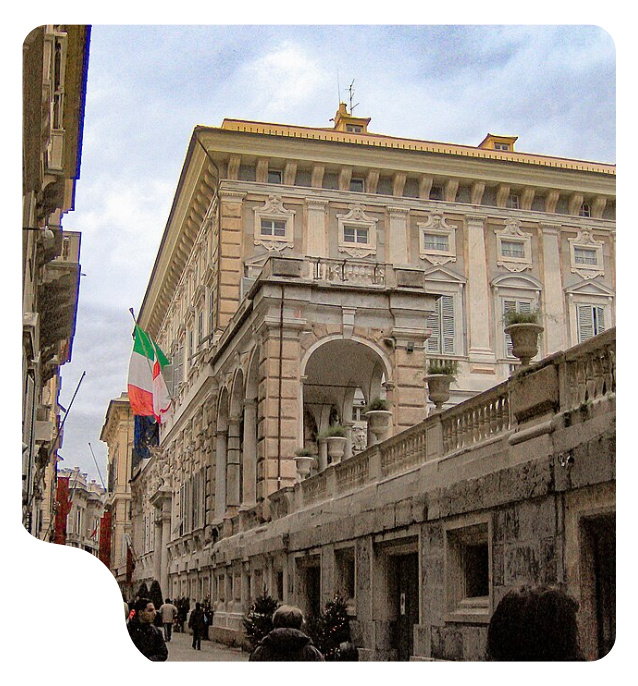
The fundamental mission of UNESCO (United Nations Educational, Scientific and Cultural Organization) is to promote the identification, protection, and preservation of the world’s cultural and natural heritage of outstanding value to humanity. This work is based on a 1972 international treaty, the Convention Concerning the Protection of the World Cultural and Natural Heritage, which was adopted by the organization itself.
This is a great recognition that, of course, comes with great responsibility.
The Colosseum in Rome (Italy), the Great Wall of China, the Taj Mahal (India), or the Alhambra in Spain are some of the best-known cultural heritage sites.
However, this legacy faces a modern paradox: while mass tourism is the engine of its economic sustainability, its physical footprint (anthropization) silently erodes the very asset people come to see.
At Libelium, we believe that protecting history requires a transition from reactive restoration models toward data-driven preventive governance.
The bridge between the past and resilience
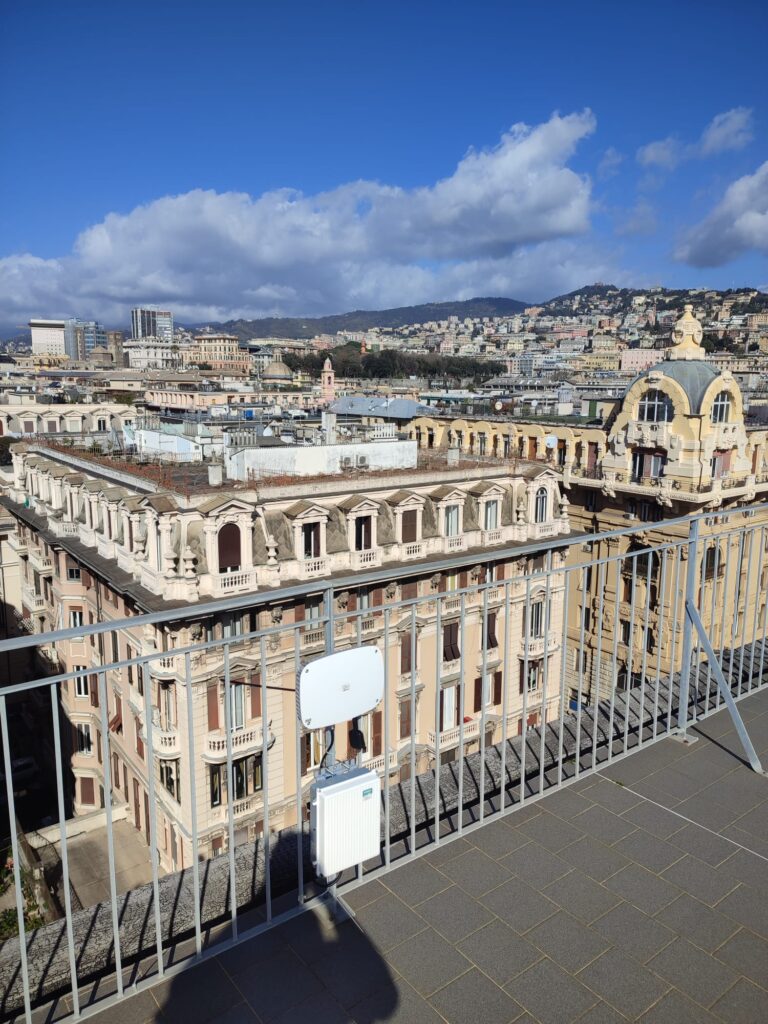
Heritage monitoring should not be seen as an intervention, but as an extension of the monument itself. We design ambient intelligence solutions by integrating data from diverse sources (IoT, dashboards, and data spaces). This infrastructure allows the building to “speak,” revealing chemical or structural deterioration processes long before they manifest as cracks or collapses.
It is not simply about measuring; it is about empowering Heritage Managers to anticipate damage, transforming uncertainty into a technical and defensible roadmap.
Digital Twins for UNESCO asset management
1. Air quality and chemical dynamics
The greatest destroyer of limestone and marble facades is not time, but urban chemistry. Black carbon from urban mobility and acid rain trigger sulfation processes that devour the stone’s pores.
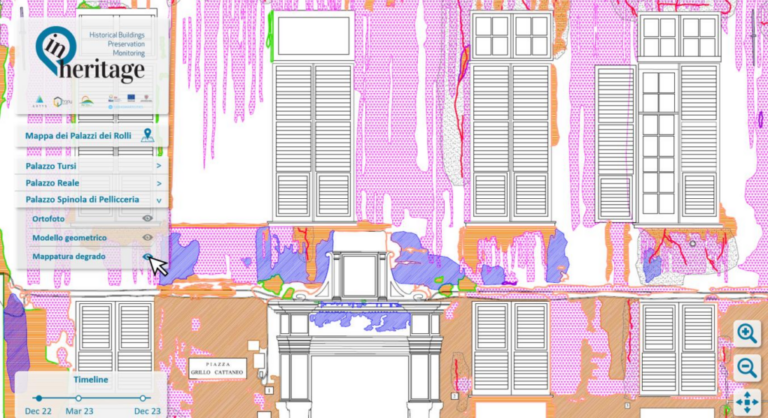
A public manager doesn’t just need to know that pollution exists; they need to know how that pollution interacts with the stone under specific humidity conditions. Our models integrate environmental variables to predict erosion rates. This provides local governments with the legal certainty needed to implement “surgical” Low Emission Zones (LEZs), protecting the monument without sacrificing city vitality.
2. Crowd management and asset health
In cryptas, cathedrals, or galleries, the visitor is a climatic agent who alters the monument’s equilibrium.
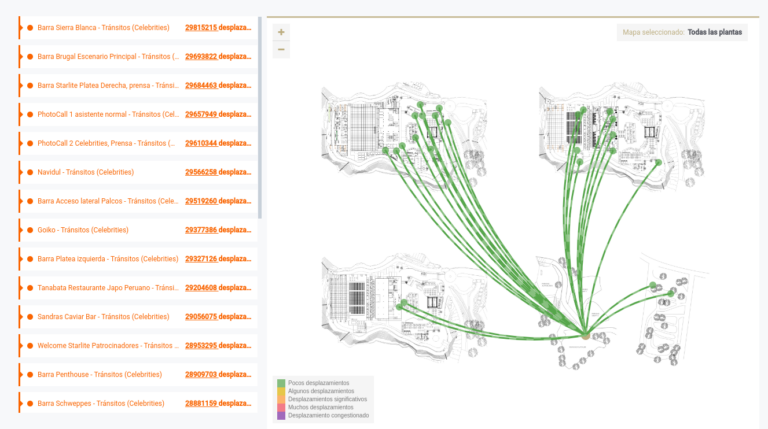
The future of conservation lies in dynamic occupancy control. By integrating footfall analytics with CO2 and humidity sensors, the Digital Twin acts as an intelligent regulator. The system can automatically space out entries to ensure the monument “breathes,” preventing mold growth and the degradation of organic materials.
3. Vibration mitigation and structural load
Traffic searching for parking in historic centers generates more than just pollution; it creates constant vibrations that fatigue centuries-old foundations.
Smart Parking is a structural conservation tool. By guiding drivers directly to available spots outside sensitive perimeters, we reduce “cruising traffic.” Fewer circulating vehicles lead to a drastic reduction in the vibratory and acoustic load on heritage sites, extending the lifespan of their foundations.
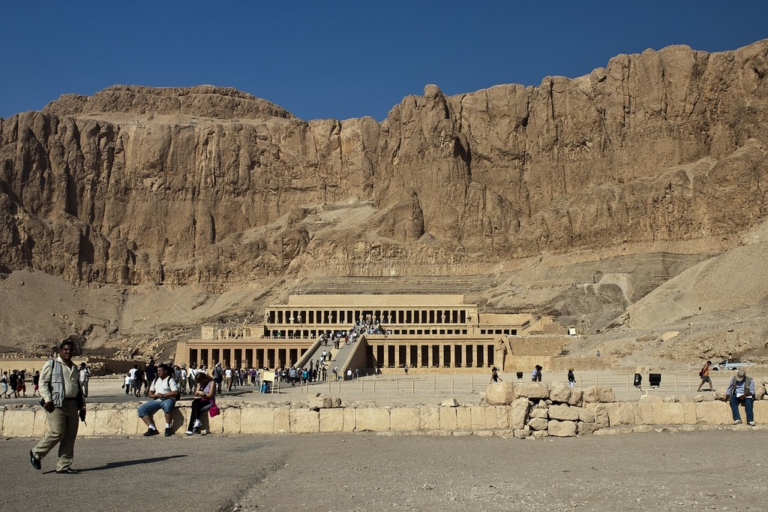
Also for archaeological remains?
Sometimes our clients surprise us with the use cases that our technology is capable of solving. In the Valley of the Kings, in Egypt, researchers from York University, ETH Zurich, and the University of Basel used Libelium IoT devices to calculate the opening of cracks in the structure of the Egyptian temple. With this data, they can define the integrity of the structure and take protective measures in case of danger. The surprise came because the sensor they used, the dendrometer, was from the agriculture line and was used to measure the growth of fruits and tree trunks.
4. Safety and emergency exit optimization
A UNESCO monument is often an architectural labyrinth where the safety of thousands must coexist with the protection of the building.
In crisis situations, the Digital Twin becomes a tool for human resilience. Real-time monitoring of people flows allows us to detect bottlenecks before they become critical. Technology helps validate and optimize evacuation routes without the need for aggressive architectural interventions.
5. Heritage as a biodiversity ecosystem
Monuments like the Alhambra in Granada or Loarre Castle in Huesca do not end at their walls; they are ecosystems where architecture coexists with unique biodiversity.
A comprehensive Digital Twin includes the health of this biodiversity. Monitoring flora, urban fauna, and the water resources sustaining historic gardens allows for symbiotic management. By protecting the natural surroundings, we stabilize the building’s microclimate, preventing vegetation changes from altering drainage or foundation moisture.
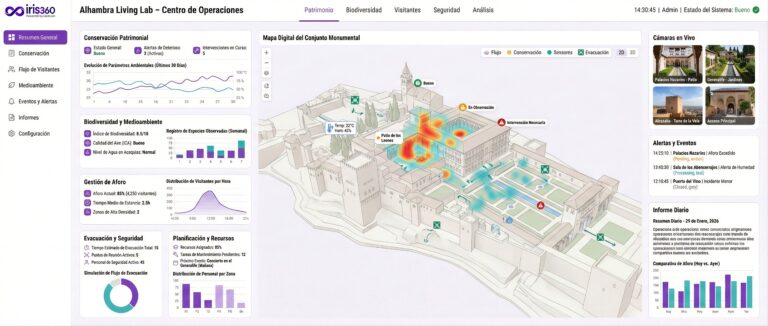
iris360: the tool for prevention and governance
The Digital Twin, articulated through our iris360 platform, is the culmination of this strategy. It is a functional replica where engineering and history converge, integrating use cases tailored to the specific needs of each heritage site.
The true value lies in the ability to run “What-if” scenarios. How would a new underground parking lot affect the air currents that dry the moisture in the main tower? The iris360 Digital Twin allows you to simulate these realities before moving a single stone. It eliminates trial and error in an environment where error is irreparable.
The European resilience framework
The digitalization of heritage is a top priority under the European Urban Agenda. Whether through the Recovery and Resilience Facility (NextGenerationEU) or ERDF interregional cooperation lines, investment in preventive conservation is more protected than ever.
Libelium acts as your strategic partner, providing the technical solvency required to make funding proposals solid, ambitious, and viable. For public decision-makers, implementing these solutions generates immediate technical and political milestones:
- Justification of EU Funds: We generate the specific KPIs required by ERDF and Climate-Neutral Cities programs (Horizon Europe).
- Data Sovereignty: Municipalities regain control over asset health, eliminating dependence on costly, one-off studies that become obsolete upon publication.
- Operational Efficiency: Predictive maintenance shifts budgets from “emergencies” to “prevention,” optimizing every Euro of public investment.
- International Prestige: Rigorous compliance with UNESCO management plans positions the city as a global leader in Smart and Sustainable Tourism.
The future is just around the corner
A monument that is not measured is a monument left to the chance of climate and human impact. At Libelium, we are pioneers of a new era where technology does not invade the past—it guards it.
Behind the Change.
Beyond the Challenge.
 English
  Español