
From the “Hygienic Minimum” to Operational Intelligence: The Strategic Leap to Industry 5.0
Table of Contents
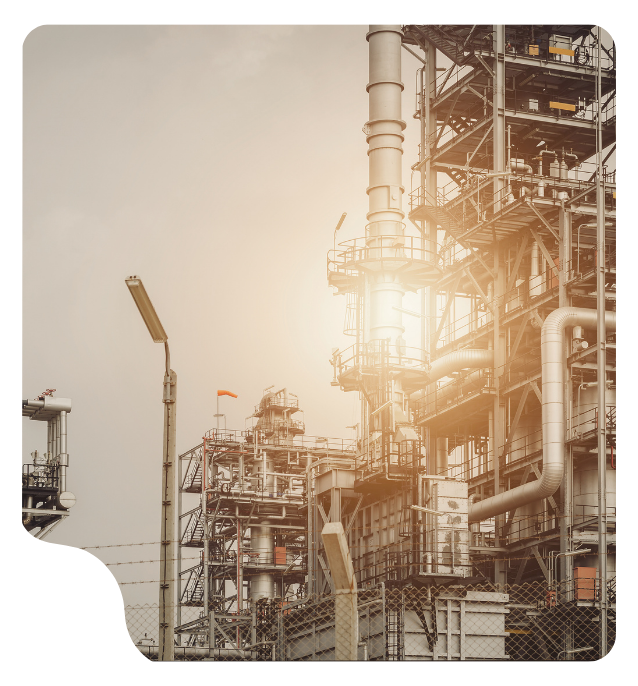
Looking back, the history of industry is the history of gaining capabilities:
- In Industry 1.0, steam gave us mechanical power.
- With Industry 2.0, electricity brought us mass production.
- Industry 3.0 introduced computer science to automate logic.
- And today, in Industry 4.0, we have connected everything to everything.
This race toward total digitalization has created a paradox: we have more data than ever, but often, this does not mean more knowledge. The obsession has been speed and takt time, but in the current context, speed without visibility is an unacceptable risk.
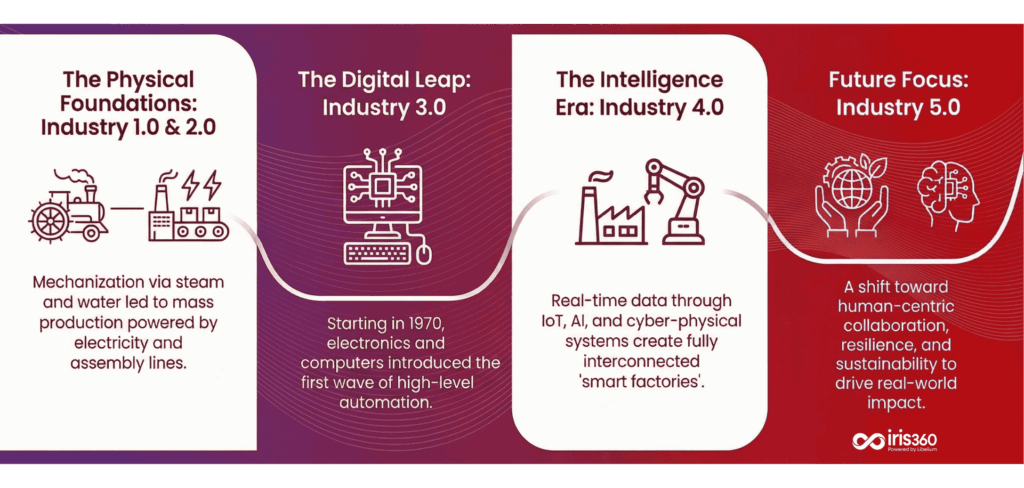
Towards Industry 5.0
But today, Industry 4.0 is no longer the goal; it is the hygienic minimum. In a market where environmental guidelines are tightening and resource scarcity is making every link in the chain more expensive, those who only compete on efficiency are operating with an expiration date. Industry 5.0 emerges as a technological evolution, of course, but also as a strategic shield where sustainability, prediction, and forensic data protect the profit margin.
Feature | Industry 4.0 | Industry 5.0 |
Priority | Efficiency and productivity | Social impact and sustainability |
Key Technology | AI, IoT, Cloud Computing | Cobots, Ethical AI, Digital Twins |
Customization | Mass (standardized) | Hyper-personalization (human touch) |
Consumption | Energy optimization | Circular economy and zero waste |
Workforce | Replacement by automation | Empowerment and talent development |
The transition from Industry 4.0 to 5.0 is not a technological break, but a change in philosophy. While 4.0 focused on connecting machines, 5.0 seeks to return the human being to the center of the equation.
In Industry 5.0, every saved kilowatt, every material loss avoided, and every environmental sanction sidestepped goes directly to the profit margin. Being sustainable today is the smartest strategy to shield your business from the volatility of costs, resources, and regulations.
Beyond the Fog: Operational Intelligence
Most plants operate in a “sensory fog”: they know how much they produce, but we don’t know under what environmental conditions. To dispel that fog, you need to move from simple data capture to operational intelligence.
Imagine an industrial plant as a living organism in full evolution. It already has its “brain” (the ERP) and its “arms” (robots and SCADA systems). However, to connect and give coherence to everything, it lacks the “senses”: the ability to connect, contextualize, and capture environmental detail to ensure a complete vision.
Some Real Use Cases in Industry 5.0
At Libelium, we have stopped talking about “sensors” to talk about operational intelligence. This is how we can solve critical, and sometimes invisible, problems in different scenarios:
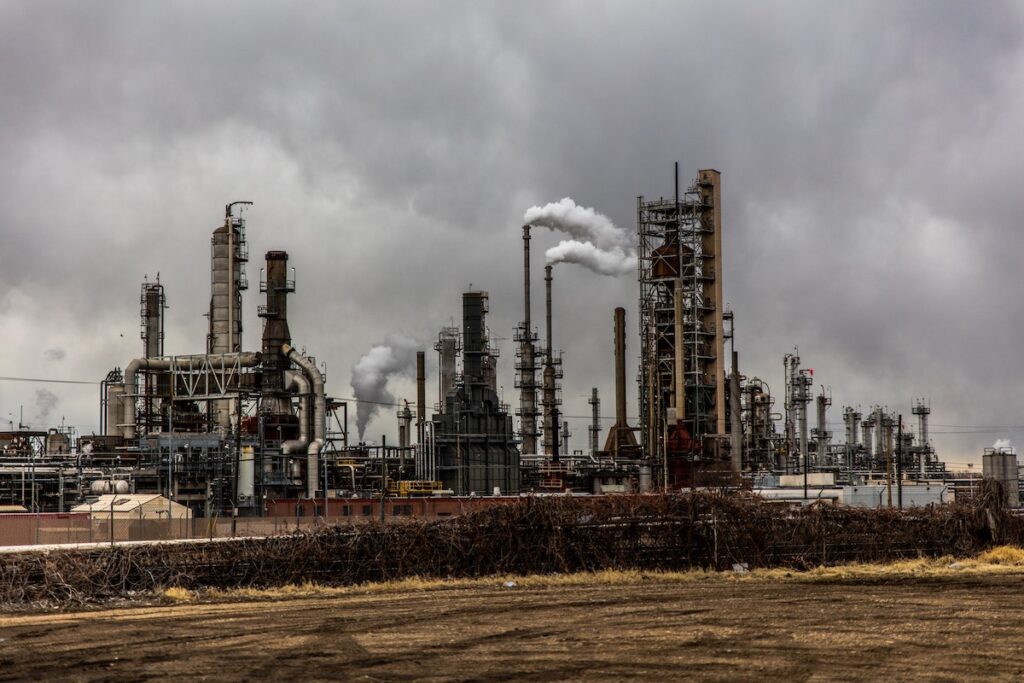
Use Case 1: Perimeter Surveillance and Emissions Compliance
- The Scenario: Waste treatment plants or chemical industries near urban centers.
- The Problem: The tightening of European Directive 2024/1785, pending transposition in Spain (also called the Industrial Emissions Directive (IED)), obliges industry to constant and intelligent monitoring of environmental pollution (air, water, odors, etc.).
- The Solution: We install “electronic noses” (e-noses), air quality devices, and meteorological stations to create real-time dispersion models.
- The Result: The plant not only proactively adjusts its operation according to meteorological conditions that affect its behavior (wind direction, humidity, temperature, radiation…), but also has a forensic historical record. If there is a complaint, the data proves whether the emission came from your plant or a third party. Data is your best legal defense.
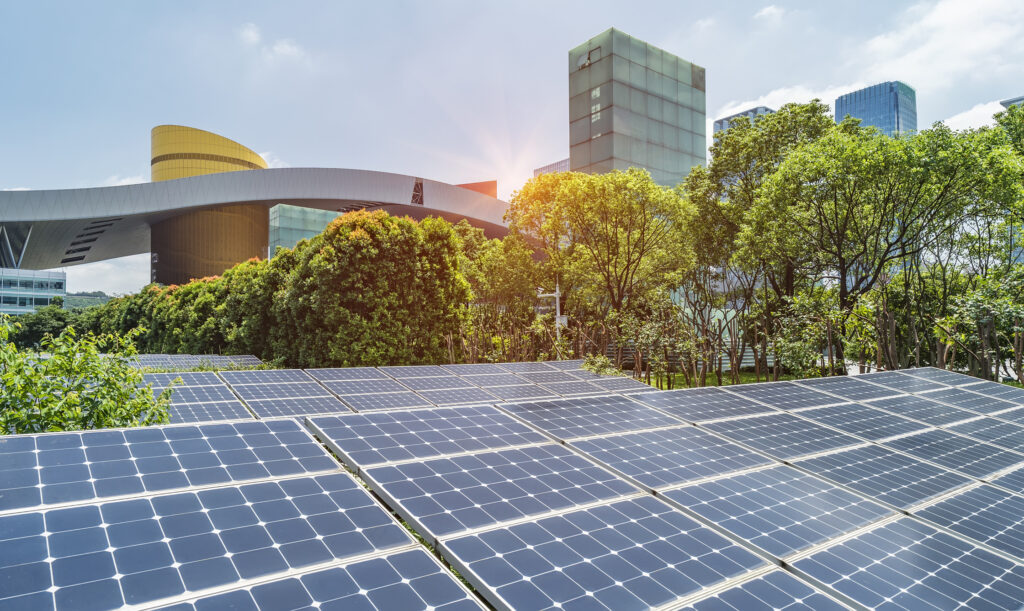
Use Case 2. Maximizing the Performance Ratio in Solar Energy
- The Scenario: Large-scale photovoltaic energy fields.
- The Problem: The proliferation of solar fields reduces the price per KWh, minimizing the margin of infrastructure operation and making efficiency a maxim in this area.
- The Solution (the evolution of grid360): Advanced monitoring of meteorological parameters and dirt on panels. Based on an evolution of grid360, the solution that allows Red Eléctrica Española to improve energy efficiency by up to 30%.
- The Result: We optimize the performance ratio (real vs. estimated production). Furthermore, in the presence of winds exceeding 20 km/h, the system activates alerts to put the panels capable of “following” the sun into a “defense position,” avoiding the sail effect and protecting a multimillion-dollar investment against structural damage.
Use Case 3. Environmental Impact in Construction Works
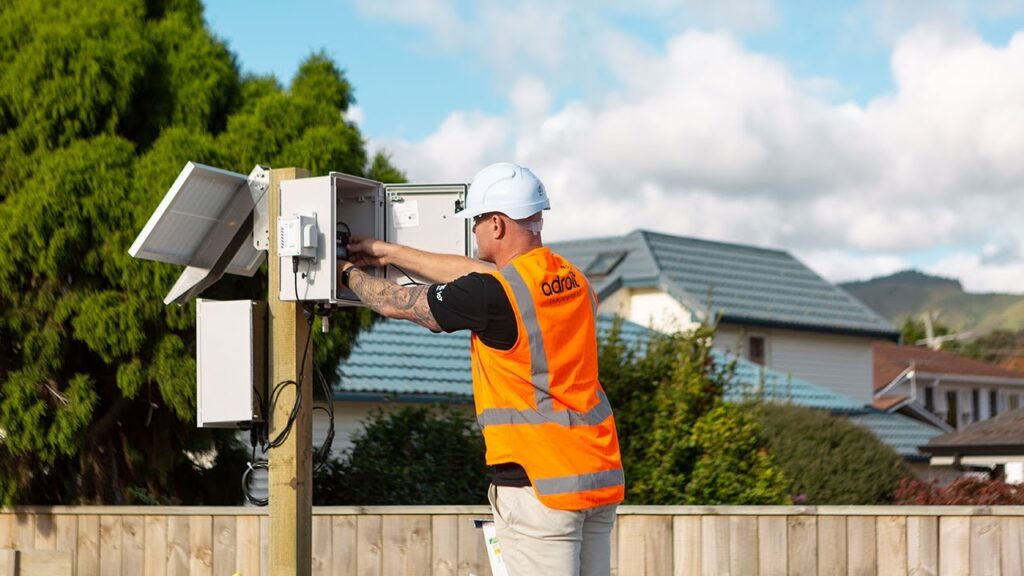
- The Scenario: Mega-infrastructure projects (from housing construction in New Zealand to the New York subway, including the construction of The Line in Saudi Arabia or the Y-vasca highway in the Basque Country).
- The Problem: Regulations on noise, vibration, and dust (NVD) vary by country, but the trend is global: work stops if thresholds are exceeded for the sake of residents’ health.
The Solution: Real-time perimeter monitoring that integrates automatic alerts, simulates scenarios, and offers insights to harmonize coexistence with the inconveniences that construction entails. Also, predictive alerts to stop certain activities with greater environmental impact before a sanction arrives.
- The Result: It allows construction companies to operate at the limit of efficiency without crossing the red line of legality, avoiding work stoppages that entail losses of millions of euros per day. Constant measurement allows for the automation of the Environmental Surveillance Plan tracking in real-time during the work. It is common to establish corrections in schedules due to the impact of noise or the implementation of dust mitigation measures in the environment such as irrigation zones, increasing their frequency depending on the wind or the intensity of the work.
Use Case 4: The Neighboring Metal Mine
- The Scenario: Open-pit metal mines near rural populations.
- The Problem: The air generates suspended dust (PM10), and neighbors are concerned about it reaching inhabited areas and being harmful to their respiratory health. Environmental authorities threaten temporary shutdowns or fines under air quality and ESG standards.
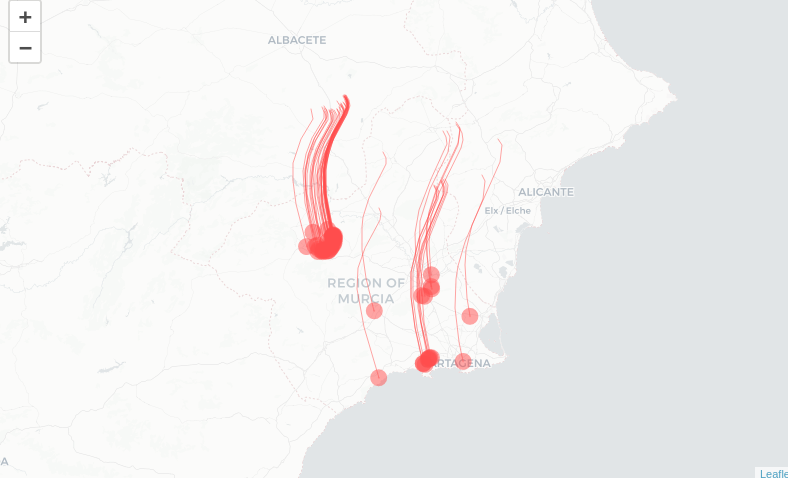
- The Solution: We deploy a high-density network of particle sensors connected to a meteorological station. iris360 cross-references data and applies algorithmic models, such as the wind rose, and predicts: “Strong wind towards the town in 1 hour. Postpone the blasting of the north sector.”
- The Result: Optimize operation times without unnecessarily stopping the mine. You protect your team’s health and demonstrate to the community (with public data if desired) that your operation is safe. You go from being the “noisy neighbor” to a responsible operator.
Use Case 5. The Digital Forensic and the Industrial Black Box
- The Scenario: A chemical or petrochemical industrial estate.
- The Problem: A spill in the river or a toxic cloud is detected. The social alarm is immediate, and an investigation is initiated. The burden of proof falls on the factory, which must demonstrate it was not the cause. With the arrival of the CSRD (Corporate Sustainability Reporting Directive), estimates in an Excel sheet, nor EMC data (estimated, measured, calculated) are no longer valid. Auditors and judges demand traceable data and evidence that there is no greenwashing.
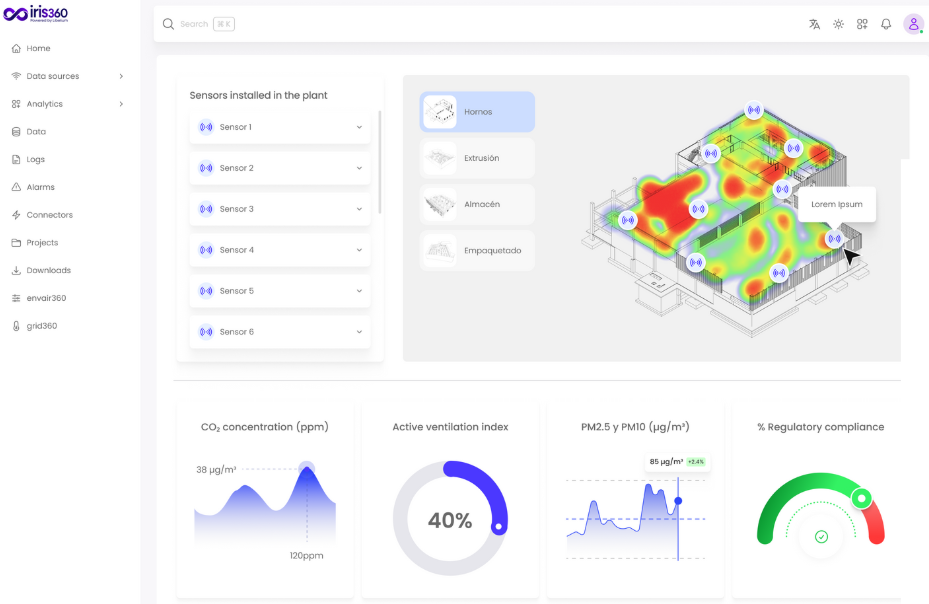
- The Solution: We convert iris360 into an industrial black box. Our systems record not only the emission, through IoT devices, but also the data integrity through encryption and blockchain signing technologies from the sensor to the cloud.
- The Result: Before an auditor or a judge, a digital forensic report is technological evidence that is difficult to refute. “At the time of the incident, the valves were closed, the perimeter sensors indicated optimal air quality, and the wind was blowing in the opposite direction. Here is the data chain of custody that certifies that this report has not been manipulated.”
iris360, the platform that adapts to the digital maturity of each industry
We know that not all industries need the same thing at the same time. Therefore, we do not offer a single solution. With iris360, we provide Industry 4.0 with a modular architecture designed to solve one, two, or all of your data challenges, according to each need:
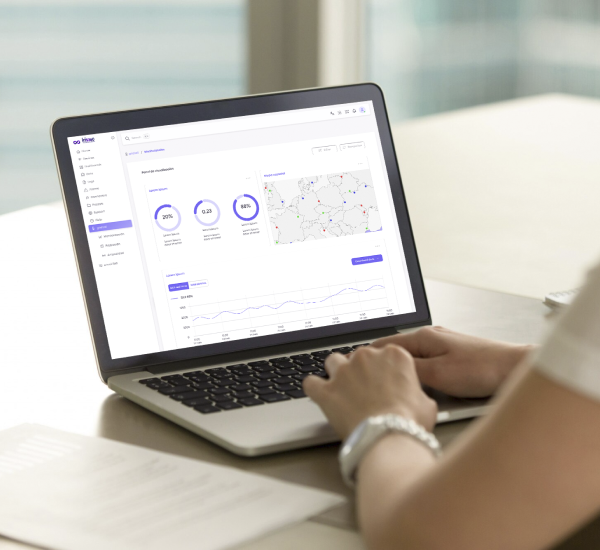
- Monitoring (the foundation): Do you only need the data? We connect sensors (proprietary or third-party) and unify data from machines (OT) so you can see what is happening in real-time. This is how we break down the silos that isolate information so you can have a more complete picture.
- Normalization (the platform): Do you need to have all the data in one place? We unify and normalize data coming from machines and sensors, in addition to integrating algorithmic modeling and numerical models like WRF, or other Data Space data to complete and refine the results of the following layers.
- Intelligence (the analysis): Do you need to understand the why? We apply AI algorithms and forensic analysis to detect anomalies, cross-reference variables, and generate predictive alerts that prevent shutdowns.
- Simulation (the future): Do you need to anticipate? We elevate the data to a digital twin. Simulate scenarios, predict costs, and validate decarbonization strategies before making any physical investment.
With iris360, Libelium offers a modular and flexible platform designed for digital transformation in industrial environments. The central promise of iris360 lies in its ability to offer a customized solution: activate only the functionality layer that your challenge requires today and scale tomorrow fluidly and without interruption.
This “onion layer” design philosophy of iris360 is fundamental in the transition to Industry 5.0. It allows companies to start with pilot projects or specific needs (monitoring a single parameter or integrating data from different sources, breaking down information silos, for example) without the burden of oversized infrastructure. Thus, current technological investment does not become a future limitation.
It also allows for simple integration with existing SCADA or ERP systems, to scale towards complete digital ecosystems.
The modularity of the iris360 design ensures that the platform can quickly adapt to new cybersecurity regulations, data privacy (such as GDPR compliance), or industrial communication standards.
Behind the Change.
Beyond the Challenge.
 English
  Español