
AI solutions for critical infrastructures
Table of Contents
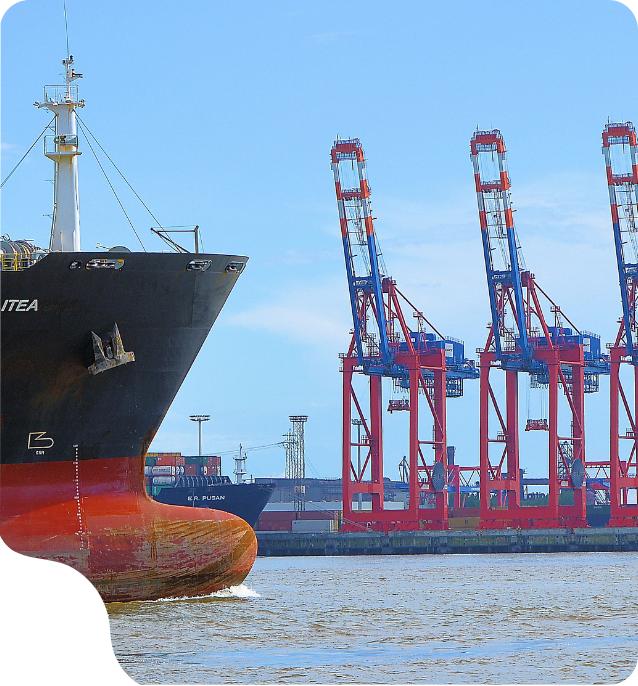
Managing critical infrastructure in 2026 is an almost inhuman challenge. It is no longer enough to secure the physical perimeter; now, managers face a “poly-challenge”: extreme weather events, sophisticated cyber threats, and a European regulatory framework that demands demonstrable resilience under threat of sanctions. But can AI offer a solution for critical infrastructures?
Those who manage power plants, chemical facilities, or water supply networks know that an operational failure, in addition to resulting in financial losses, also entails a debilitating impact on the economy, public health, and social trust.
The entry into force of the European Union’s Directive on the Resilience of Critical Entities (CER) has changed the rules of the game. States and entities must identify their vital assets and adopt cutting-edge technical and organizational measures to guarantee their continuity in the face of natural disasters, physical threats, or cyber-physical incidents.
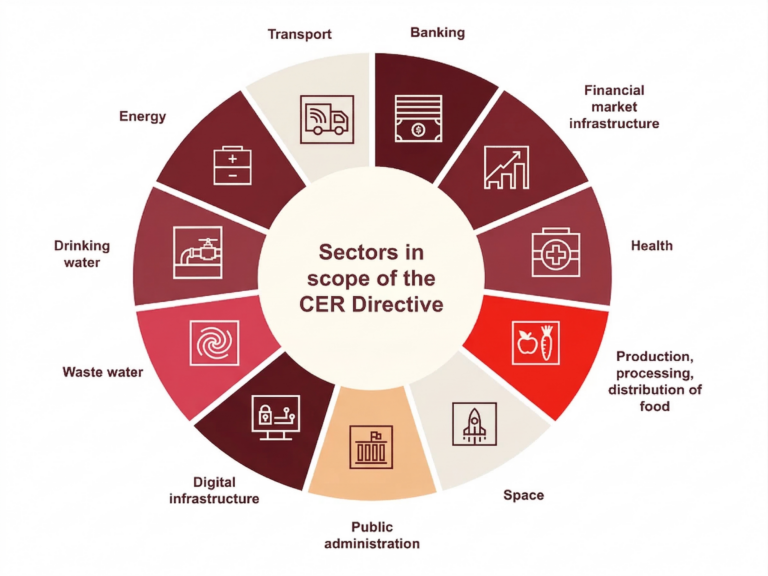
Why has the current model expired?
Historically, infrastructures were designed to withstand statistically probable events. But in the “era of uncertainty,” the improbable happens every quarter. The total interconnection of the 16 critical sectors (energy, water, transport, finance, etc.) means that a failure in a sensor at a chemical plant can paralyze a port 50 kilometers away.
The risk is no longer the data; it is the silo. Having a thousand sensors without a layer of intelligence is like trying to pilot a plane in a storm by only looking at a wristwatch.
These infrastructures are at a critical juncture, as they are the primary victims of the increase in extreme weather events. Collapsing bridges, derailed trains, and airports that must cancel flights more and more often.
This situation underscores the inherent interconnection between the different critical sectors.
How to apply it in critical sectors
This is where theory turns into real survival. This is how we solve challenges in the most demanding environments:Securing critical water infrastructures
Water is, undoubtedly, the most sensitive asset of our civilization. A failure in its supply or an alteration in its quality not only halts industry; it directly jeopardizes public health and social stability.
- Rapid identification of dangerous agents. In mass distribution systems, the time between contamination (accidental or provoked) and its detection is critical. Traditional laboratory methods are too slow for the speed of the current threat.
- Predictive AI: From detection to anticipation in minutes: We implement a real-time quality monitoring layer that acts as a digital immune system. The iris360 data management platform processes data from chemical and biological sensors to detect anomalies instantly. The native AI of iris360 not only detects the anomaly instantly; it simulates and predicts the contaminant’s spread throughout the network, allowing for the selective closing of valves before the water reaches the consumer. This is demonstrable resilience.
- Real project in the Panama Canal: The digitalization of the Panama Canal’s critical infrastructure is the gold standard in this sector. On one of the world’s most vital routes, data transparency and accuracy ensure constant operability, demonstrating that water sovereignty depends on robust digitalization.
Smart and resilient ports
At Libelium, we have stopped talking about “sensors” to talk about operational intelligence. This is how we can solve critical, and sometimes invisible, problems in different scenarios:
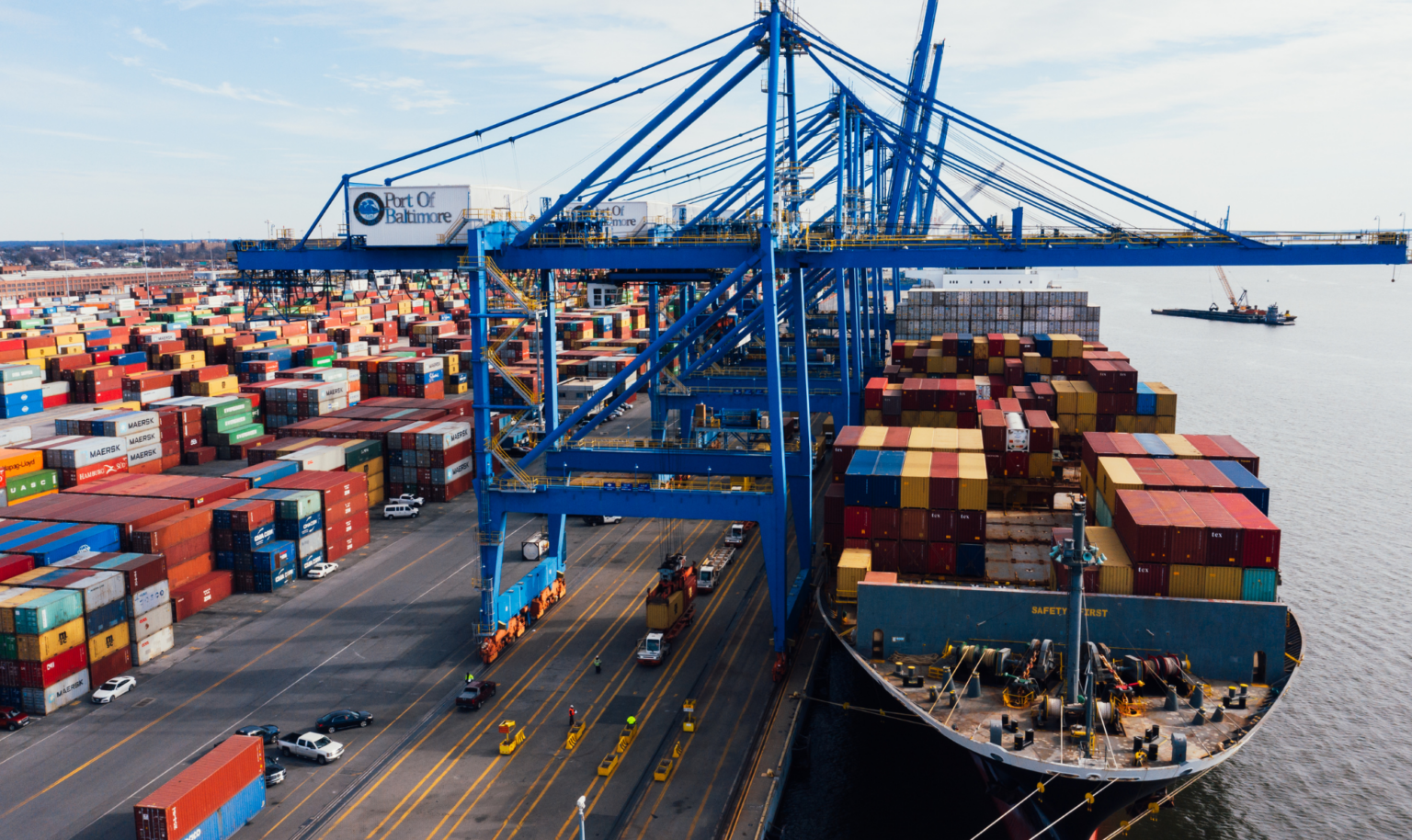
- Predictive logistics vs. environmental impact: We do not only measure air quality; we optimize logistics so that port activity is compatible with urban life. iris360’s data intelligence allows port managers to correlate vessel traffic with emissions peaks, suggesting optimal operational windows.
- Source identification: In ports like Genoa and Gdansk, we have been able to differentiate whether the contamination comes from cruise ships, loading machinery, or heavy land traffic. This allows for the application of evidence-based mitigation policies, not assumptions.
- Real project in cruise tourism: In destinations like the Balearic Islands, the port Digital Twin helps balance the arrival of cruise ships with the protection of the air breathed by residents and tourists, ensuring the long-term sustainability of the economic model.
Sustainable and connected roads
A road is no longer just asphalt; it is a data channel that must protect those who travel on it and the surrounding environment.
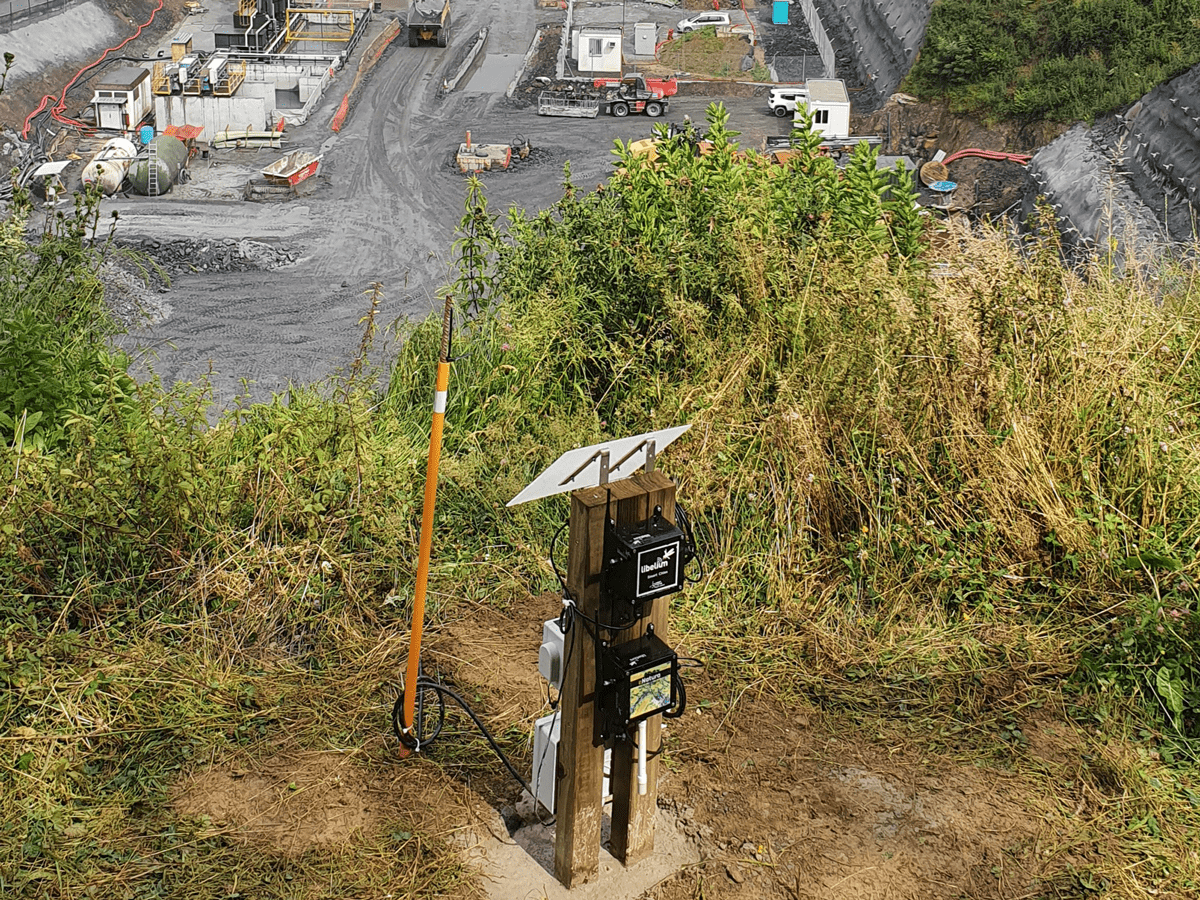
- Environmental impact from construction: Resilience begins before the inauguration. During the construction of the southern variant of Bilbao, Libelium sensors monitored dust and noise to ensure that a work of such magnitude did not degrade the quality of life in residential areas or the balance of the local ecosystem.
- Computer vision and AI: Through Computer Vision and trained algorithms, the platform autonomously identifies and integrates video from already installed cameras, activating emergency protocols in seconds. An object in the middle of the road, an irregular or icy surface, a car driving in the wrong direction… It also allows for vehicle identification and traffic classification. This serves not only for the management of Low Emission Zones (LEZ) but also for active safety.
- Real-time danger detection: The platform is capable of autonomously identifying obstacles on the road, the presence of wildlife, the formation of ice patches, or, in critical scenarios, detecting vehicles driving in the opposite direction, activating emergency protocols in seconds.
Airports as transport hubs
An airport is a micro-city where the management of flows determines both profitability and carbon footprint.

- Smart parking and people flow: Parking optimization using IoT reduces errant traffic within the premises, directly decreasing CO2 emissions. Simultaneously, monitoring people flows allows for the adaptation of HVAC and services to real demand.
- Air quality and noise monitoring: The Athens International Airport uses Libelium’s technology to comprehensively monitor its environmental impact. iris360 acts as the guarantor of its commitment to carbon neutrality, transforming every operational data point into an asset for transparency and regulatory compliance.
The 7 steps of resilience governance
At Libelium, after two decades at the forefront of IoT, we have learned that the real challenge is not data scarcity, but how we connect them. Today, when 16 critical sectors sustain our daily lives, we need more; iris360 is the digital brain that connects the data and allows us to anticipate, stand firm, and respond with intelligence.
The OECD proposes a Policy Toolkit for the governance of critical infrastructures. Below, we break down how our iris360 platform allows organizations to execute this strategy natively:
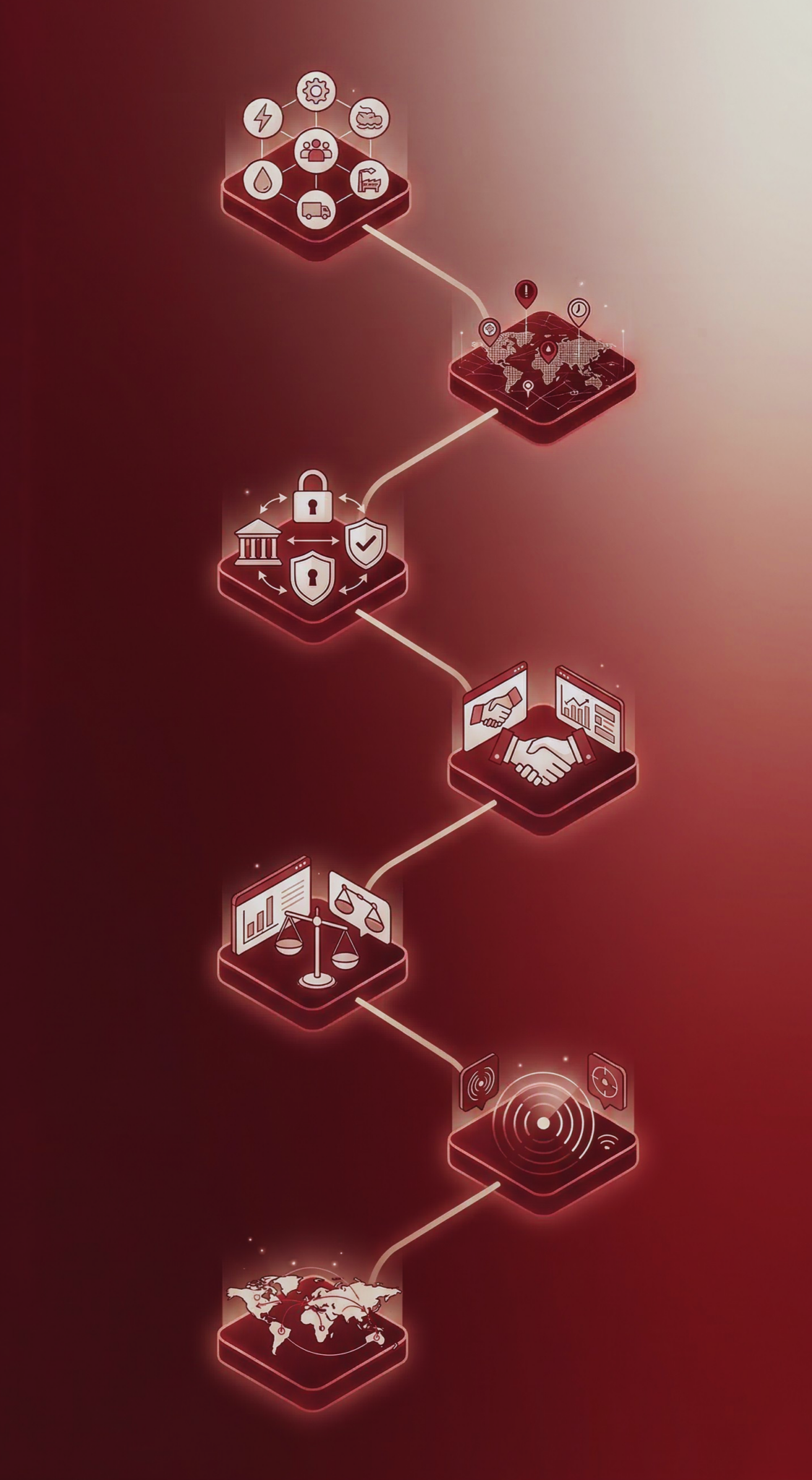
1. Multi-sectoral governance: Current infrastructures are interconnected. iris360 allows for a unified vision, eliminating information silos between departments so that resilience is a transversal policy, not an isolated effort.
2. Mapping interdependencies and vulnerabilities: Not all assets carry the same weight. Through the AI-powered Digital Twin, iris360 not only maps but also calculates systemic risk in real time, allowing for the prioritization of resilience investment where systemic risk is greatest.
3. Trusted platforms for information exchange: National security requires confidentiality. Our architecture guarantees sovereign data environments where government and operators share risk intelligence without compromising network integrity.
4. Public-private partnerships: We facilitate continuous dialogue through interactive dashboards that translate technical complexity into resilience indicators understandable to all stakeholders involved.
5. Mix of cost-effective policies: Thanks to simulation capabilities, managers can perform cost-benefit analyses in virtual environments before making large expenditures on physical infrastructure.
6. Accountability and continuous monitoring: Resilience is not a static state. iris360 offers 24/7 monitoring with clear accountability frameworks, detecting deviations or threats in real time.
7. Cross-border coordination: Energy networks or water channels do not understand borders. Our scalable technology facilitates cooperation between neighboring countries to manage transnational dependencies.
Resilience requires a shift towards a proactive philosophy of action, capable of anticipating the worst-case scenarios in order to prevent them. At Libelium, we apply the wisdom of two decades of experience to offer more than just technology: we offer the capacity to decide with courage.
Cooperation between public and private actors is the only way to build a protected society. iris360 is the platform where that cooperation becomes tangible, turning isolated data into a collective defense.
👉 Discover how AI solutions for critical infrastructures in iris360 transform your resilience strategy and schedule a simulation demo today.
Behind the Change.
Beyond the Challenge.
 English
  Español