

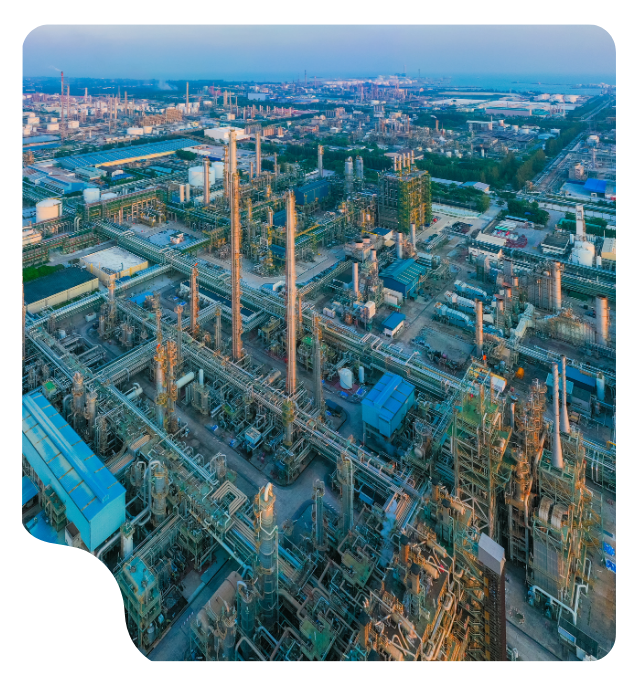
Industrial emissions control is entering a new era. Stricter environmental regulations, growing public awareness around air quality, and increasing pressure on industrial operators are transforming the way facilities monitor, manage, and reduce atmospheric emissions.
For years, most industrial facilities focused primarily on measuring emissions at specific sources such as stacks, vents, and production processes. While this approach remains essential, it no longer provides the complete picture needed to understand the real environmental impact of industrial activities.
Today, organizations are increasingly adopting a dual strategy that combines continuous emissions monitoring with fenceline monitoring to improve environmental compliance, detect fugitive emissions, and support long-term emissions reduction goals.
As environmental requirements evolve under frameworks such as the revised Industrial Emissions Directive (IED 2.0), industries must move beyond isolated measurements and embrace continuous, data-driven environmental intelligence.
Why Industrial Emissions Monitoring Matters More Than Ever
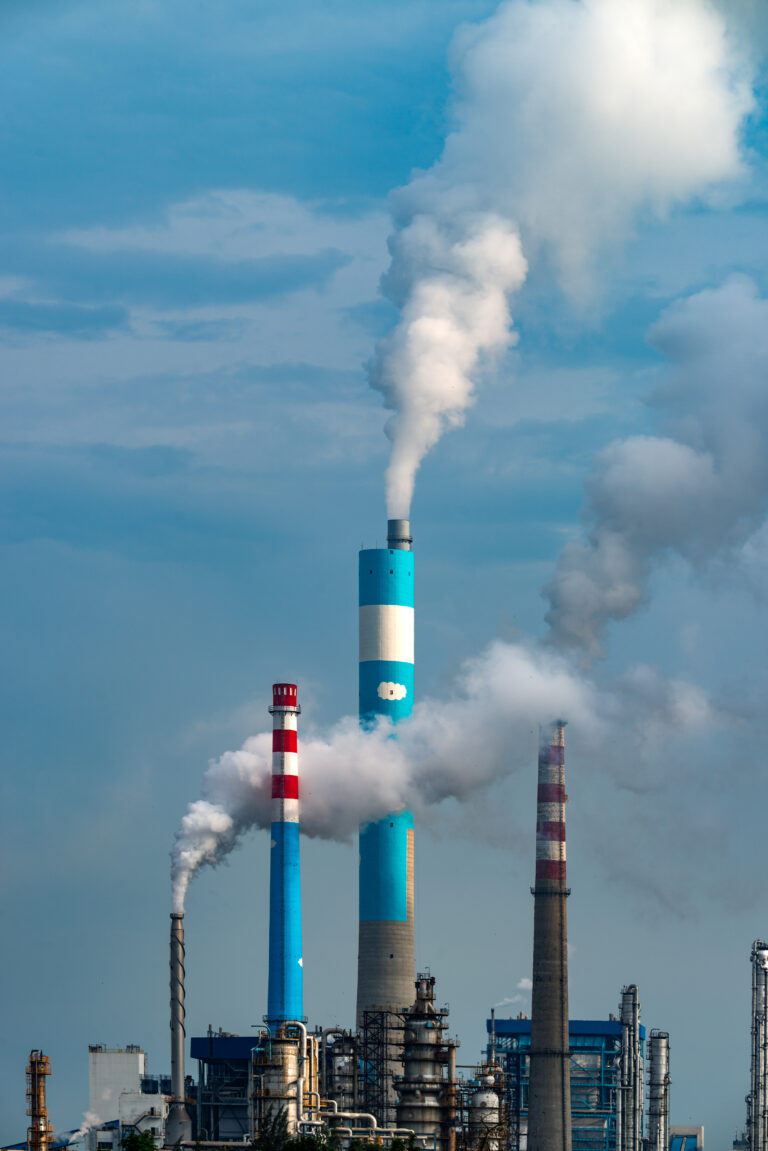
Industrial activities generate a wide range of atmospheric pollutants, including:
- Nitrogen oxides (NOx)
- Sulfur dioxide (SO₂)
- Carbon monoxide (CO)
- Carbon dioxide (CO₂)
- Hydrogen sulfide (H₂S)
- Ammonia (NH₃)
- Volatile Organic Compounds (VOCs)
- PM10 and PM2.5 particulate matter
These pollutants can affect:
- Environmental compliance
- Air quality
- Worker health and safety
- Nearby communities
- Corporate reputation
- Operational continuity
As regulatory authorities demand greater transparency and accountability, companies must demonstrate not only that they comply with emission limits but also that they understand how their emissions behave once released into the environment.
The Regulatory Shift: From Periodic Measurements to Continuous Monitoring
One of the most significant changes facing industrial operators today is the transition from periodic environmental assessments to continuous monitoring.
The revised Industrial Emissions Directive (IED 2.0) is accelerating this shift by encouraging more robust environmental reporting, improved traceability, and greater accountability.
This evolution means facilities increasingly need:
- Continuous environmental data
- Automated reporting
- Real-time alerts
- Historical evidence for audits and inspections
- Better visibility into environmental risks
The focus is no longer simply measuring emissions after they occur. The goal is to anticipate problems before they become compliance issues.
Source Monitoring: The Foundation of Industrial Emissions Control
Traditional emissions management relies heavily on source-based measurements.
Continuous Emissions Monitoring Systems (CEMS) are commonly installed on stacks and emission points to monitor pollutant concentrations continuously.
These systems provide several important benefits:
- Regulatory compliance verification
- Continuous emissions reporting
- Process optimization
- Early detection of abnormal emissions
- Improved operational control
CEMS remains a critical component of any industrial environmental strategy.
However, source monitoring alone cannot answer one crucial question:
What happens after pollutants leave the stack?
The Limitation of Measuring Only at the Source
A facility may fully comply with emissions limits at the source while still creating environmental impacts beyond its boundaries.
Pollutant dispersion depends on multiple factors:
- Wind direction
- Wind speed
- Temperature
- Humidity
- Atmospheric stability
- Terrain and topography
As a result, emissions released from compliant processes can still affect nearby communities under specific environmental conditions.
This is precisely why fenceline monitoring has become one of the fastest-growing trends in industrial environmental management.
What Is Fenceline Monitoring?
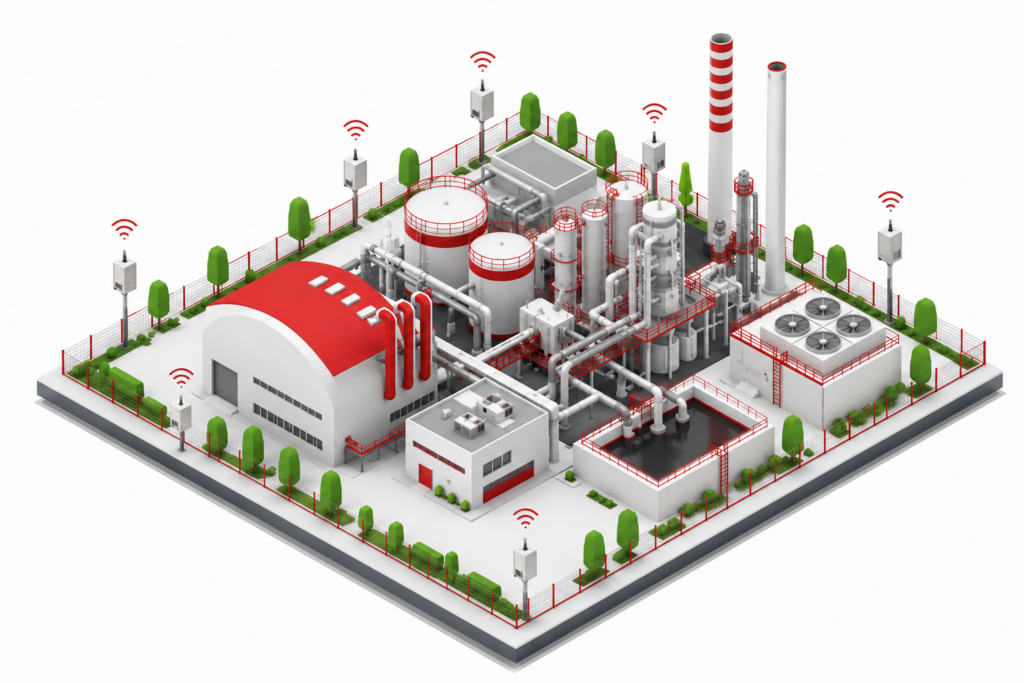
Fenceline Monitoring refers to the deployment of air quality sensors around the perimeter of an industrial facility to continuously measure environmental conditions and detect potential emissions escaping into surrounding areas.
Rather than measuring emissions at a single point, fenceline monitoring evaluates what is actually happening at the facility boundary.
This approach helps organizations:
- Detect fugitive emissions
- Identify leaks earlier
- Monitor environmental impact
- Improve transparency
- Support regulatory compliance
- Build trust with nearby communities
Instead of replacing source monitoring, fenceline monitoring complements it by providing a broader understanding of environmental performance.
Why Fugitive Emissions Are a Growing Concern
Not all emissions originate from controlled sources such as stacks or chimneys.
Fugitive emissions can occur through:
- Storage tanks
- Valves
- Flanges
- Loading and unloading operations
- Open process areas
- Transfer systems
Because these emissions are often difficult to identify, they can represent a significant environmental and operational risk.
Fenceline monitoring provides an effective way to detect and locate these emissions before they become major incidents.
Fenceline Monitoring: A Global Trend Across Industrial Sectors
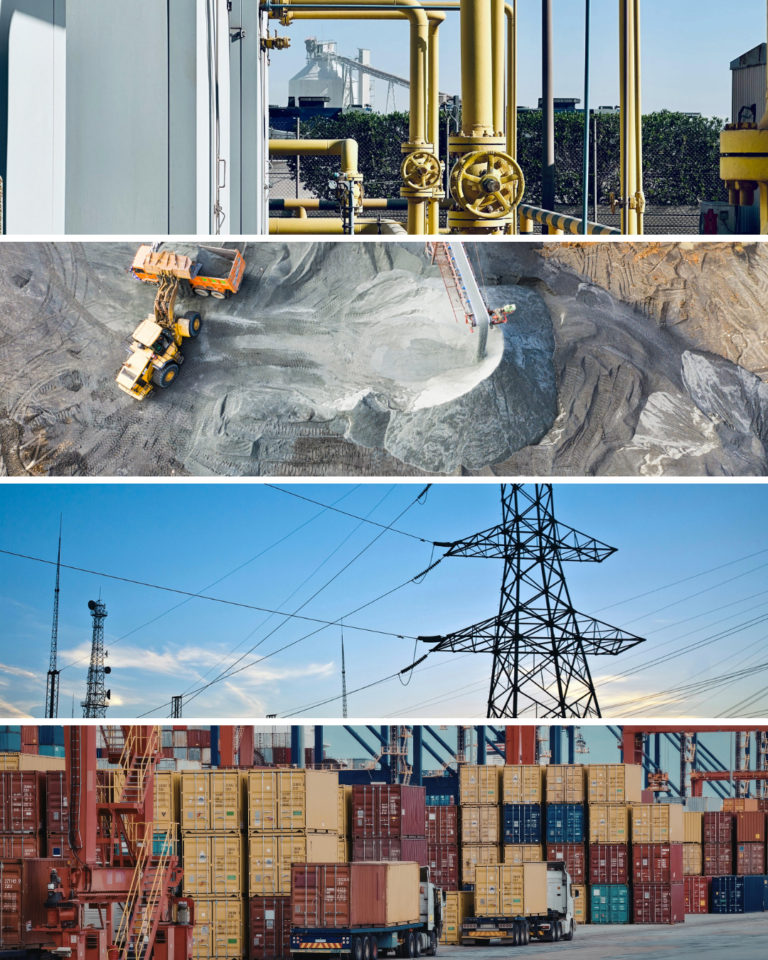
Fenceline monitoring is rapidly becoming standard practice across industries such as:
- Oil and gas
- Petrochemicals
- Mining
- Waste management
- Power generation
- Chemicals
- Ports and logistics hubs
The reason is simple.
Traditional emissions monitoring answers the question:
How much am I emitting?
Fenceline monitoring answers the more strategic question:
What impact are my emissions having on the environment?
This distinction is becoming increasingly important as environmental regulations evolve and stakeholder expectations rise.
From Data Collection to Environmental Intelligence
Collecting environmental data is only the beginning.
Modern environmental management increasingly relies on integrating:
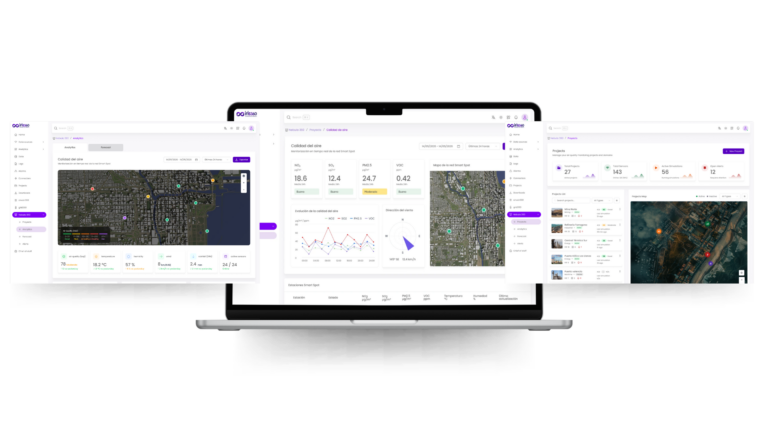
- Air quality monitoring networks
- Meteorological sensors
- Artificial intelligence
- Predictive analytics
- Dispersion modeling
- Digital twins
This combination enables organizations to move beyond reactive monitoring and toward proactive environmental management.
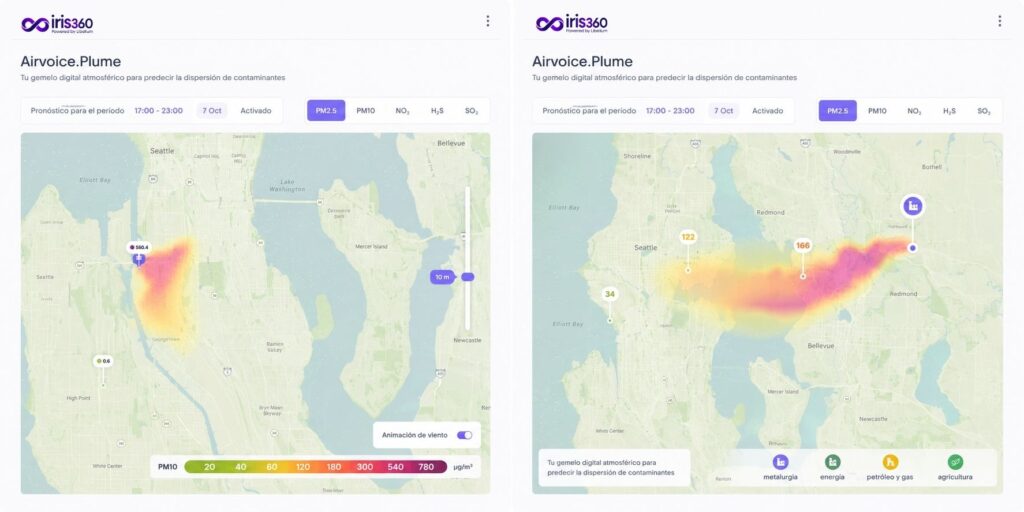
Predicting Air Pollution Before It Happens
One of the most exciting developments in industrial environmental monitoring is the ability to forecast environmental conditions before incidents occur.
By combining:
- Real-time sensor data
- Weather forecasts
- Historical environmental information
- Dispersion models
- Artificial intelligence
organizations can predict how pollutants may move across an area in the coming hours or days.
This capability allows operators to:
- Prevent environmental incidents
- Reduce compliance risks
- Optimize operations
- Improve community protection
- Make better environmental decisions
Instead of reacting to pollution events, facilities can actively prevent them.
The Role of Environmental Digital Twins
Environmental Digital Twins are becoming an important tool in industrial emissions management.
These virtual representations of industrial environments combine operational, meteorological, and environmental data to simulate real-world conditions.
Organizations can use Digital Twins to:
- Model pollutant dispersion
- Test operational scenarios
- Validate mitigation strategies
- Improve emergency preparedness
- Support regulatory reporting
Combined with AI-driven analytics, Digital Twins provide a powerful framework for environmental decision-making.
Beyond Compliance: Protecting Operations and Reputation
Many organizations still view environmental monitoring primarily as a compliance obligation.
In reality, it has become a business-critical capability.
Poor emissions management can lead to:
- Regulatory penalties
- Increased inspections
- Legal disputes
- Community complaints
- Production disruptions
- Reputational damage
For this reason, environmental monitoring is increasingly integrated into ESG, sustainability, and corporate risk management strategies.
How Continuous Monitoring Supports Emissions Reduction
Effective emissions reduction begins with visibility.
By combining source monitoring, fenceline monitoring, and predictive analytics, facilities can:
- Identify emission hotspots
- Detect process inefficiencies
- Reduce fugitive emissions
- Improve operational performance
- Optimize environmental controls
Continuous environmental intelligence enables organizations to make informed decisions that reduce both emissions and business risks.
Resources to Prepare for IED 2.0
Frequently Asked Questions About Industrial Emissions Control and Fenceline Monitoring
Are you ready for the future of industrial emissions management?
Industrial emissions control is evolving from simple compliance monitoring to intelligent environmental management.
Organizations that combine continuous emissions monitoring, fenceline monitoring, air quality monitoring, predictive analytics, and digital environmental intelligence will be better positioned to reduce risks, improve compliance, and build a more sustainable future.
The question is no longer whether you should measure emissions.
The question is whether you have the environmental intelligence needed to understand their real impact and anticipate what comes next.
Behind the Change.
Beyond the Challenge.