Success Story Solution: Smart Water
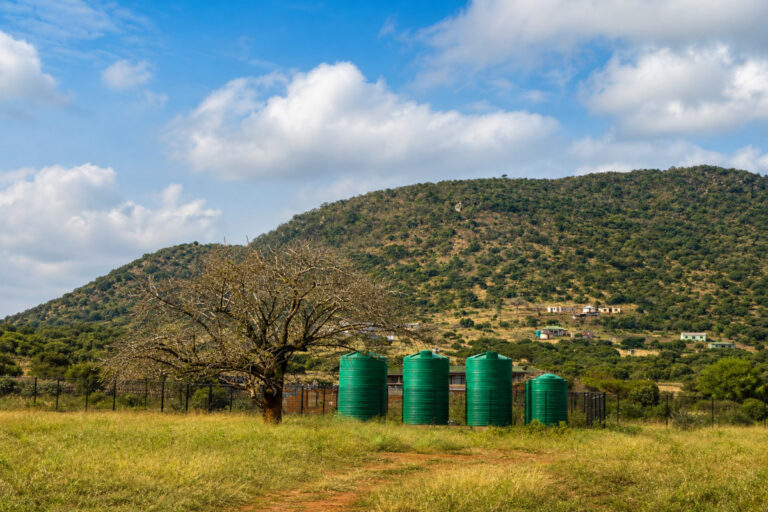
Libelium helps to strength water quality standards compliance in rural areas
Achieve SANS 241 compliance with smart water monitoring in South Africa: discover how Libelium One and iris360 enable real-time quality tracking for rural areas.

Monitoring of the Mar Menor to create a digital twin
Libelium helps UCAM to digitalize the Mar Menor and automate the sampling process.

Libelium One monitors diverse environmental conditions of the largest fluvial Aquarium in Europe
Libelium has been collaborating with the Aquarium of Zaragoza for nearly a decade, using its diverse ecosystems as a testbed to develop and refine innovative solutions—most recently, the One device.

Smart Water solutions to get the best quality mussels and salmon in New Zealand
Two new Smart Water projects in New Zealand to salinity control in mussel and salmon farming

Libelium takes care of the rivers’ health with IoT water technology
The goal of the “Ríos Ciudadanos” project is to involve citizens in the analysis of the water quality in Aragonese rivers

Aquaculture health monitoring in Scottish salmon sea farms with Libelium IoT platform
Remote monitoring of pH, oxygen, salinity and temperature levels for origin-designated salmon.

Reducing 40% polluted run-off from a shooting land area with Libelium IoT sensor platform
Pollution from runoff water is a major problem in urban areas because it has been shown to contain the same types of pollutants found in urban wastewater.

Smart Water technology provides safe and clean water to Indigenous communities in Canada
In November 2015 there were <strong>105 long-term drinking water advisories</strong> on public systems on Canadian indigenous reserves that affected more than 10,000 homes and community buildings. In March 2021 it is <strong>projected there will be 0</strong>. This ambitious improvement will be possible thanks to the application of the Internet of Things. The <strong>First Nations represents more than 50 nations and 50 indigenous languages</strong> from 634 communities in Canada. More than 1.67 million people in Canada identify themselves as an Indigenous person (according to the 2016 Census). About half of them live in provinces of Ontario and British Columbia.

Drones, Sensors and Blockchain for water quality control in the Volga river to promote trustworthy data and transparency
In Russia, approximately 70% of drinking water comes from surface, while the rest comes from groundwater. Unfortunately, water pollution is a major issue in this country, with <strong>more than 10 million Russians currently lacking access to quality drinking water</strong>. According to the Russian regulatory bodies, around 35 to 60% of total reserves of drinking water do not meet sanitary standards. This fact favors the proliferation of health issues in many cities and villages across the country, as <strong>only 8% of the wastewater is correctly treated</strong> before being returned to the waterways.

Protecting and conserving the beluga whale habitat in Alaska with Libelium’s flexible sensor platform
Beluga whales are considered critically endangered with a population estimated around 150,000 worldwide. In 2017, a natural gas leak was detected approximately 6 kilometers offshore in the Cook Inlet near Nikiski (Alaska). Alaskan authorities responded with detailed and challenging <strong>monitoring requirements due to the area being a critical habitat for endangered beluga whales. Libelium's partner company <strong>Aridea Solutions designed a solution to monitor the leak</strong> based in a buoy equipped with Libelium's wireless sensor platform to monitor air and water near the leak affecting the Beluga whales and other aquatic mammals.